Soil Testing - One Year Ends and Another Begins
Aug 20, 2026
Soil Testing – One Year Ends and Another Begins
The first step to a successful 2027 crop is a soil test.
First it is a report card from the 2026 season. The levels of nutrients that are left in the soil will tell you whether you were short or over applied. It is one tool in your toolbox to help give you some insight into those fields that were outliers, if it was soil related. Once determined, you can plan for 2027 to address those issues.
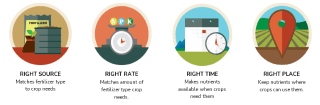
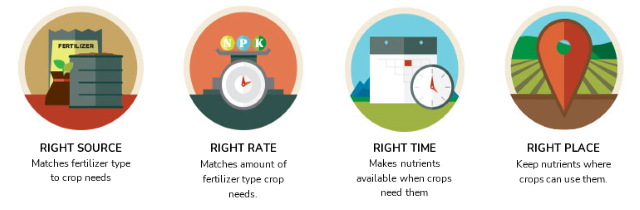
Most importantly a soil test is your starting point for the 2027 crop. From the results it can help you make decisions on what nutrients are required for your chosen crop or based on nutrient levels in the soil, should you change your crop choice. From there you can build your fertilizer program for 2027 and be prepared to make purchasing decisions based on what you need at the right time. Consider some of these questions when building your fertilizer plan.
The best time to get your soil test done is behind the combine and before any tillage, this will give you the most accurate representation of what is in the soil. Regrowth/volunteers will take up nutrients and hide the amount of nitrogen available for the following crop. Sampling before fall tillage provides more consistent 0–6-inch soil cores, which gives the best soil sample quality for phosphorus, potassium, zinc, organic matter, and other non-mobile soil nutrients tested in topsoil. Also, be sure to test to 24-inches deep to be sure you have accounted for deeper residual nitrogen. This also ensures that sampling gets done and you have results for applying fertilizer in the fall.
Call your local Shur-Gro Sales Agronomist to book soil sampling this fall to take your first step towards a successful 2027.
The first step to a successful 2027 crop is a soil test.
First it is a report card from the 2026 season. The levels of nutrients that are left in the soil will tell you whether you were short or over applied. It is one tool in your toolbox to help give you some insight into those fields that were outliers, if it was soil related. Once determined, you can plan for 2027 to address those issues.
Most importantly a soil test is your starting point for the 2027 crop. From the results it can help you make decisions on what nutrients are required for your chosen crop or based on nutrient levels in the soil, should you change your crop choice. From there you can build your fertilizer program for 2027 and be prepared to make purchasing decisions based on what you need at the right time. Consider some of these questions when building your fertilizer plan.
The best time to get your soil test done is behind the combine and before any tillage, this will give you the most accurate representation of what is in the soil. Regrowth/volunteers will take up nutrients and hide the amount of nitrogen available for the following crop. Sampling before fall tillage provides more consistent 0–6-inch soil cores, which gives the best soil sample quality for phosphorus, potassium, zinc, organic matter, and other non-mobile soil nutrients tested in topsoil. Also, be sure to test to 24-inches deep to be sure you have accounted for deeper residual nitrogen. This also ensures that sampling gets done and you have results for applying fertilizer in the fall.
Call your local Shur-Gro Sales Agronomist to book soil sampling this fall to take your first step towards a successful 2027.